Get Chimney Inspection Service
Chimney Inspection Service providers assess and identify issues like blockages, creosote buildup, and structural damage to ensure safe, efficient fireplace and stove operation.
Property owners in the area seeking reliable chimney inspection services can find valuable assistance through experienced local contractors. Regular inspections help ensure that chimneys are functioning properly, identify potential issues early, and support safe, efficient use of fireplaces and heating systems. Whether preparing for the colder months or maintaining the safety of a property, exploring available options can help make informed decisions about the best approach for your specific needs.
By comparing local service providers, property owners can access a range of inspection services tailored to different types of properties and chimney configurations. Connecting with reputable contractors in the community allows for a better understanding of the services offered and helps plan maintenance or repair projects with confidence. Keep reading to discover how qualified professionals can assist in maintaining the safety and integrity of your chimney system.
- Chimney Inspection - when homeowners notice smoke backup or draft issues in their fireplace.
- Annual Chimney Checks - to ensure safety and prevent buildup after heavy use or during seasonal changes.
- Pre-Listing Inspections - prior to selling a home to identify potential chimney problems for buyers.
- Post-Repair Assessments - following chimney repairs or cleaning to verify that work was properly completed.
- Troubleshooting Smoke Odors - when persistent smells indicate possible blockages or creosote buildup inside the chimney.
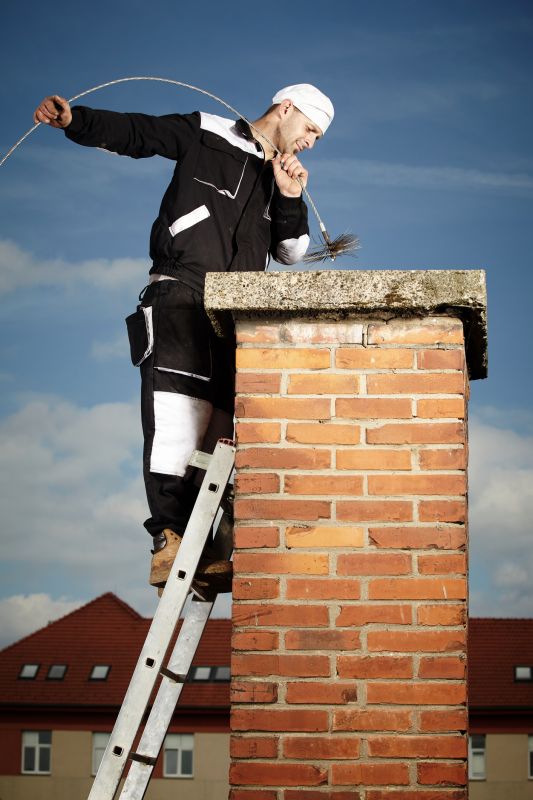
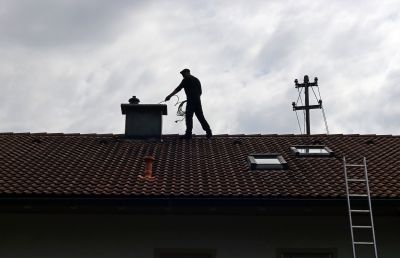
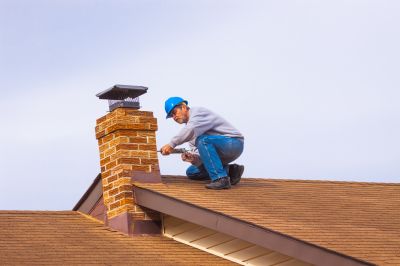
Chimney inspection services involve a thorough examination of a chimney’s interior and exterior components to ensure they are functioning properly and safely. During an inspection, service providers typically assess the condition of the chimney lining, mortar, flue, and cap, looking for signs of damage, blockages, or deterioration. This process helps identify potential issues before they develop into more serious problems, such as fire hazards or indoor air quality concerns. Regular inspections are especially important for homeowners who use their fireplaces frequently or own older properties with aging chimneys.
One of the primary reasons for scheduling a chimney inspection is to detect and address common problems like creosote buildup, cracks, or obstructions that can impede proper venting. Creosote, a flammable byproduct of burning wood, can accumulate over time and increase the risk of chimney fires if not removed. Cracks or damage to the chimney structure can lead to leaks or allow dangerous gases, such as carbon monoxide, to enter the living space. An inspection helps pinpoint these issues early, enabling repairs or cleaning to be performed before they escalate into costly or hazardous situations.
Chimney inspections are suitable for a variety of property types, including single-family homes, historic houses, and multi-unit residential buildings. They are often recommended when purchasing a new property to assess the condition of the chimney or after a severe weather event that may have caused damage. Additionally, homeowners planning to upgrade their heating systems or install new fireplaces may benefit from an inspection to ensure the existing chimney is compatible and safe to use. Regardless of property size or age, regular inspections contribute to maintaining a safe and efficient fireplace system.
Homeowners who notice signs such as smoke backing up into the house, unpleasant odors, or visible soot around the fireplace should consider scheduling a chimney inspection. Even if there are no obvious issues, routine inspections can help catch hidden problems early, saving time and money in the long run. Local service providers are available to perform these inspections, providing peace of mind that the chimney is in good condition and ready for safe use. Contacting a professional ensures that the inspection is thorough and that any necessary repairs or maintenance are properly addressed.
The overview below groups typical Chimney Inspection Service projects into broad ranges so you can see how smaller, mid-sized, and larger jobs often compare in your area.
In many markets, a large share of routine jobs stays in the lower and middle ranges, while only a smaller percentage of projects moves into the highest bands when the work is more complex or site conditions are harder than average.
Smaller Repairs - typical costs for routine chimney inspections range from $150 to $300. Many minor issues can be identified and addressed within this range by local contractors. Projects that fall into this band are usually straightforward and less complex.
Standard Inspection - most full inspections, including basic cleaning and assessment, typically cost between $250 and $600. Many service providers handle these common jobs within this range, with fewer projects reaching higher prices.
Extensive Repairs - larger repairs or detailed assessments can range from $600 to $1,500. Projects involving significant work or additional services tend to fall into this tier, though they are less common than routine inspections.
Full Replacement - complete chimney replacements or major rebuilds can exceed $3,000 and may reach $5,000+ for complex or larger-scale projects. These are usually reserved for extensive damage or outdated systems requiring significant work from local pros.
Actual totals will depend on details like access to the work area, the scope of the project, and the materials selected, so use these as general starting points rather than exact figures.
Chimney Cleaning Projects - These projects involve inspecting and cleaning chimney flues, requiring similar tools and attention to detail as chimney inspections to ensure proper function and safety.
Fireplace Repair Services - Repairing fireplaces often requires inspecting masonry and venting systems, aligning closely with the skills used in chimney inspections.
Venting System Assessments - Evaluating home venting systems for proper operation involves similar planning and inspection techniques as chimney evaluations.
Flue Liner Installation - Installing or replacing flue liners demands careful inspection and planning, paralleling the processes used in chimney inspections.
Masonry Repair Projects - Masonry repairs for chimneys and fireplaces involve similar planning, tools, and inspection skills to identify structural issues.
Home Ventilation Evaluations - Assessing overall home ventilation systems shares techniques with chimney inspections, focusing on airflow and safety considerations.
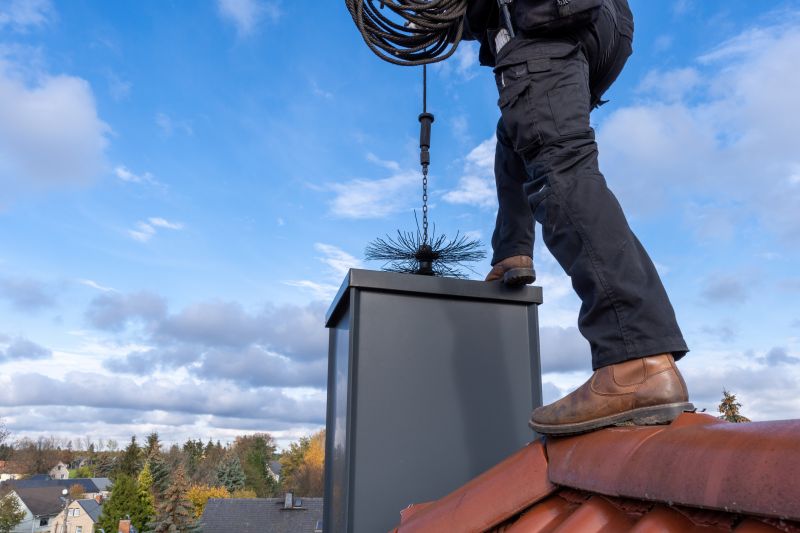
When comparing service providers for chimney inspection services, it’s important to consider their experience with similar projects. Homeowners should look for local contractors who have a proven track record of handling chimney inspections in residential settings similar to their own. An experienced professional will be familiar with common issues, inspection procedures, and what to look for to ensure the chimney is safe and functioning properly. This background can help ensure the inspection is thorough and tailored to the specific needs of the home.
Clear written expectations are essential when choosing a chimney inspection service. Homeowners should seek out providers who can offer detailed descriptions of what the inspection will include, what areas will be examined, and any follow-up steps that might be necessary. Transparent communication about the scope of work helps to prevent misunderstandings and ensures that both parties are aligned on what the service entails. Reputable local contractors will be able to provide this information upfront, making it easier to compare options effectively.
Reputable references and good communication are key factors to consider during the selection process. Homeowners can ask potential service providers for references from previous clients or look for reviews that highlight their professionalism and reliability. Additionally, responsive and clear communication throughout the inquiry process can be indicative of a contractor’s approach to customer service. Choosing local pros known for their professionalism and straightforward communication can help ensure the chimney inspection process is smooth, informative, and trustworthy.
Property owners use Chimney Inspection Service services for practical projects around their homes and businesses. This guide focuses on everyday jobs and straightforward project options.
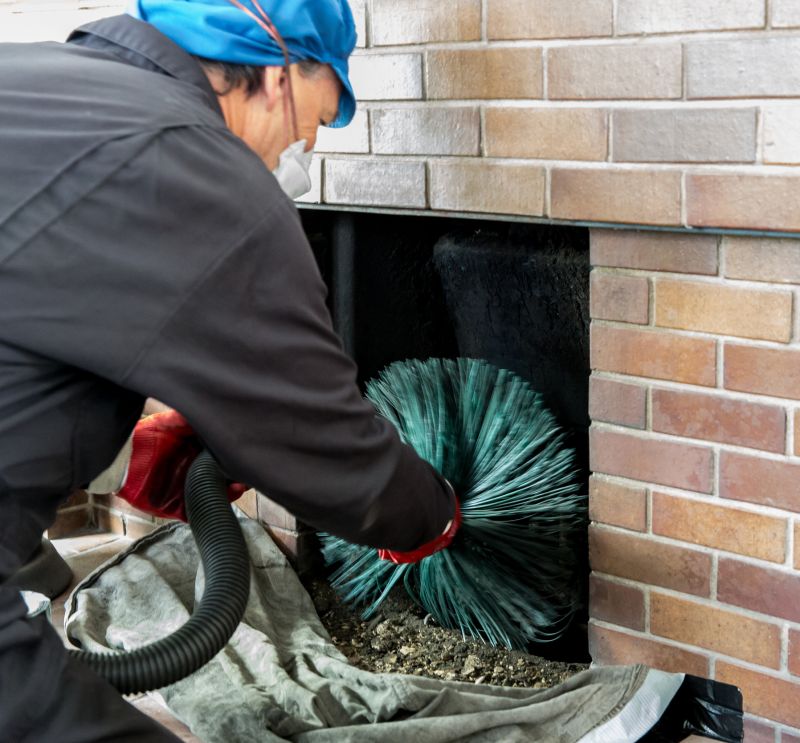
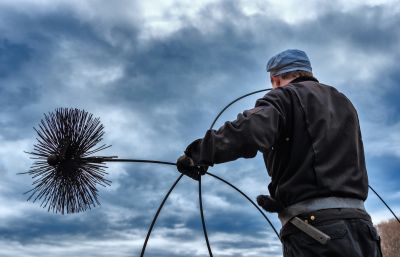
Chimney inspection services are commonly sought after by property owners who want to ensure their fireplaces and heating systems are operating safely and efficiently. Homeowners may look for inspections after noticing signs of wear, such as smoke odors, blockages, or debris buildup, or before the start of the colder seasons to prepare for regular use. Local contractors can assess the condition of chimneys, identify potential issues, and help maintain the safety of the home environment.
Additionally, property owners often request chimney inspections when purchasing or selling a home, as part of routine maintenance, or following severe weather events that could cause damage. Regular inspections can help prevent costly repairs and ensure that chimneys meet safety standards. Local service providers are available to handle these inspections, providing peace of mind and helping homeowners keep their heating systems in good working order.
What is involved in a chimney inspection? A chimney inspection typically includes examining the interior and exterior of the chimney for damage, blockages, and creosote buildup, ensuring all components are in proper condition.
How often should I have my chimney inspected? It is recommended to have a chimney inspected at least once a year to ensure safe and efficient operation, especially if the fireplace is used frequently.
What are the signs that my chimney needs an inspection? Visible issues such as smoke backdrafts, strong odors, soot or creosote buildup, or damaged chimney components indicate that an inspection may be necessary.
What does a chimney inspection typically include? It generally involves a visual assessment, checking for structural integrity, blockages, and the condition of the lining, cap, and flashing.
How can local contractors help with chimney inspections? Local service providers can perform thorough inspections, identify potential problems, and recommend necessary repairs or maintenance to keep the chimney safe and functional.
Chimney Inspection Services - Property owners can schedule inspections to ensure their chimneys are safe and functioning properly before using their fireplaces during colder months.
Chimney Inspection Services - Homeowners planning a fireplace renovation or upgrade may use inspections to assess the current condition and identify needed repairs.
Chimney Inspection Services - Those preparing for home inspections or selling a property might request inspections to verify the chimney’s condition and avoid potential issues.
Chimney Inspection Services - Residents who notice unusual odors, smoke backup, or drafts can have local contractors evaluate their chimneys for blockages or damage.
If you are thinking about Chimney Inspection Service for a property, this guide is meant to help you understand the work, the typical project types, and how different options might fit your plans.
When you are ready, you can use the quote form on this page to share a few details about your project. From there, local pros can review the basics and respond with options that match what you have in mind.